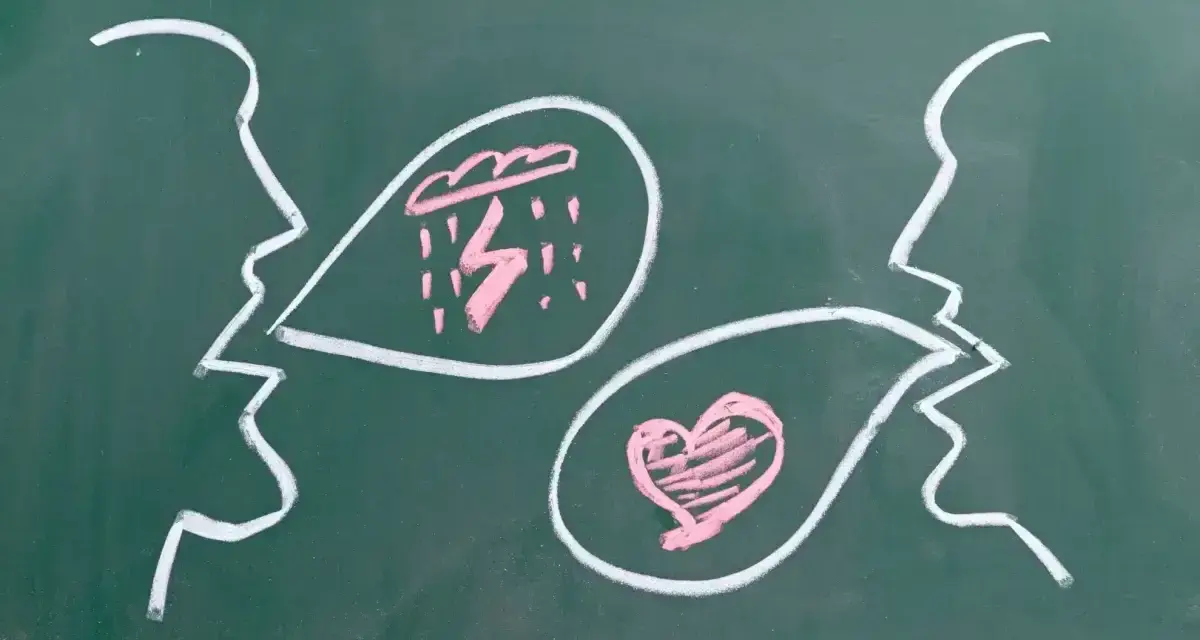
The harder question is how do we love our enemies when trust has been broken and emotions are still raw? I am not talking about pretending harm was harmless; I am talking about a disciplined way of responding that protects your character, your wellbeing, and your freedom to move forward. In practice, that means understanding what love is, what it is not, and which habits make it possible in ordinary life.
What matters most before you try to practise it
- Enemy-love is not approval, denial, or instant closeness. It is a choice to refuse malice.
- Forgiveness, reconciliation, trust, and boundaries are related, but they are not the same thing.
- The goal is not warm feelings on demand. The goal is a steadier response that does not let resentment run your life.
- In real life, this often shows up in family conflict, workplace tension, and long-running community friction.
- When someone is unsafe, love may look like distance, clarity, and firm limits rather than access.
What loving an enemy actually means
I find the cleanest definition is this: to love an enemy is to refuse to let injury become your moral compass. It means you do not reduce another person to the worst thing they have done, and you do not give their behaviour the power to dictate yours. That is a demanding idea, because it asks for dignity without naivety.
In practical terms, enemy-love has a few marks. It is choosing not to speak with contempt. It is refusing revenge fantasies, even when they feel justified. It is being willing to wish for the other person’s good, at least in the basic sense that they stop doing harm and become accountable for what they have done. That does not mean pretending you trust them, and it does not mean opening the door to more injury.
- It is humanising the other person without excusing the harm.
- It is choosing restraint where retaliation would be easy.
- It is not the same as liking them.
- It is not the same as reconciling.
That distinction matters, because once love is confused with access, people get hurt twice. Once that is clear, the next question is what this practice does to the person who chooses it.
Why this practice changes you first
Enemy-love is not only about the other person. It changes you by interrupting the loop where resentment keeps replaying the wound, sharpening your identity around being wronged, and quietly shrinking your emotional range. I have seen this in people who look calm on the outside but are internally stuck in a private courtroom, still arguing the case every day.
When you begin to respond differently, several things usually shift:
- You stop feeding the story that the offender is the centre of your life.
- You gain more control over your reactions, especially in messages, meetings, and family conversations.
- You become better at separating the person, the behaviour, and the next decision.
- You often feel less mental clutter, because you are no longer rehearsing retaliation.
- You preserve self-respect, because you are acting from principle rather than impulse.
This is why the theme belongs in a personal growth conversation. Loving an enemy is not weakness dressed up as virtue; it is training in self-command. From there, the work becomes very practical.
How to begin in real life
When I work through this idea with people, I start small. Huge emotional leaps are unreliable, but small acts of clarity are much more durable. If the relationship is ordinary rather than dangerous, try a simple sequence: name the injury, slow the reaction, choose the right distance, and do one thing that keeps your behaviour clean.
- Name what happened clearly. Write one sentence that states the offence without exaggeration and without minimising it. Precision calms the mind.
- Give yourself a buffer before responding. If the situation is online or in a message thread, wait 20 minutes before replying. If the stakes are higher, wait overnight.
- Separate feeling from action. You may still be angry. That does not mean you need to send the message, post the comment, or make the jab.
- Choose one non-hostile action. Sometimes that is a polite reply. Sometimes it is silence. Sometimes it is a practical offer of help that has clear limits.
- Use a grounding habit. A short prayer, a page of journalling, a walk, or a few slow breaths can keep the body from driving the whole response.
- Review what changed after 24 hours. Ask whether your response made you freer, calmer, and more truthful. That is usually the better test than whether you felt heroic.
In ordinary UK life, this may mean handling a difficult colleague, a family dispute over care, or a neighbour who keeps crossing lines. The principle is the same: do not let the offence define the next move. The next question, though, is how far this love is meant to go.
Forgiveness, reconciliation, and boundaries are not the same thing
This is the place where many people get stuck, because they are told to forgive when what they actually need is a clearer map. Forgiveness is an inner act; reconciliation is a shared process; boundaries decide what access is wise. If you collapse those categories, you may either become harsh or become unsafe.
| Concept | What it asks of you | What it does not ask of you | When it fits best |
|---|---|---|---|
| Forgiveness | Release the wish to get even and stop rehearsing the wound | Excusing the behaviour or forgetting what happened | When you need inner freedom more than closure |
| Reconciliation | Rebuild trust through honesty, accountability, and change | Restoring closeness on the strength of an apology alone | Only when both people are willing and safe |
| Boundaries | Control contact, access, and expectations | Hatred, revenge, or emotional coldness | Whenever exposure would damage your wellbeing |
| Trust | Notice consistent behaviour over time | Giving instant credibility to words | After repeated evidence of reliability |
I usually tell people that reconciliation is earned by behaviour, not demanded by sentiment. That is especially important when the hurt was repeated, public, or manipulative. Once that is clear, it becomes easier to recognise when love should also say no.
When love must still say no
There are situations where enemy-love is not about closer contact at all. If someone is abusive, threatening, stalking, coercive, or chronically manipulative, then the loving response may be distance, documentation, and outside support. Love does not require you to stay available for more harm.
- Repeated lying with no change in behaviour.
- Pressure to forgive before there is accountability.
- Insults, surveillance, or intimidation.
- Apologies that are followed by the same harm.
- Any setting where you feel physically unsafe or trapped.
In those cases, kindness can be firm and brief. You can be respectful without being open-ended. You can wish the other person well without meeting alone, sharing private details, or pretending the risk is gone. If there is immediate danger in the UK, call emergency services. The moral point is simple: love never asks you to confuse mercy with self-abandonment.
The quiet habits that keep compassion realistic
The practice becomes durable when it is woven into ordinary habits, not treated as a one-time spiritual performance. I find that people do better when they build a rhythm they can actually keep, especially on days when they are tired, offended, or under pressure.
- Pause before replying when you are emotionally flooded.
- Write down the facts before you write down the story you tell yourself about the person.
- Limit the inputs that keep the resentment active, including repeated rereading of messages or gossiping about the conflict.
- Use one small act of goodwill where it is safe and appropriate, even if it is only a neutral, decent tone.
- Check your motive weekly: do you want truth, peace, revenge, or control?
The real answer to how do we love our enemies is usually not dramatic. It is a string of ordinary choices that keep your heart from hardening while still telling the truth about harm. That is what makes the practice genuinely useful for personal growth: it trains compassion, self-respect, and discernment at the same time.